
Understanding Wind Energy Certifications: A Pathway to Green Careers
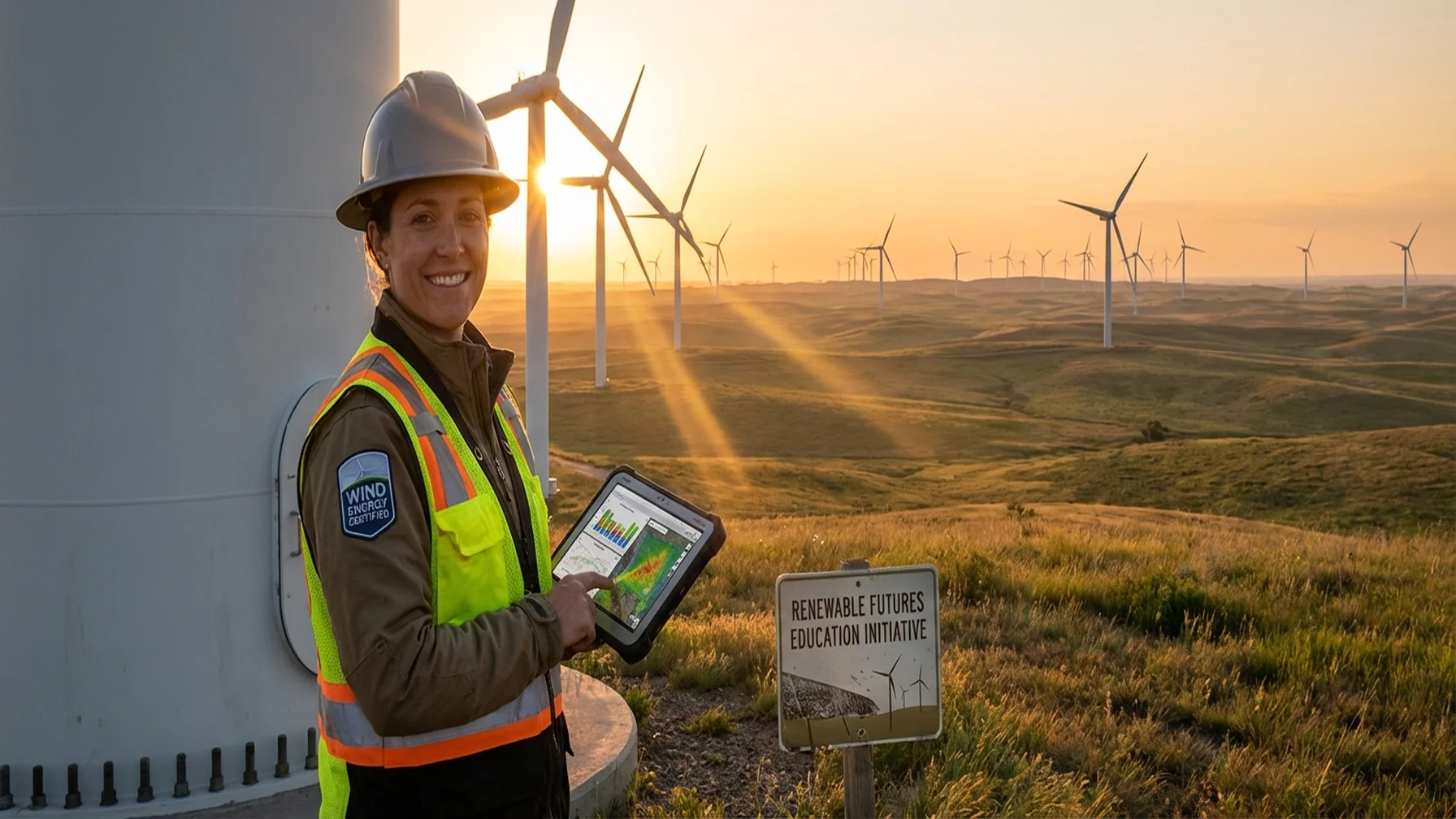
As the world increasingly shifts to sustainable energy solutions, wind energy certifications have become vital. These credentials open doors to green jobs and provide an essential entry into the renewable energy sector. With growing global awareness of climate change, the demand for skilled professionals in wind energy is rising. This guide will explore how to get certified, the skills needed, and the career opportunities available in wind energy. By understanding the significance and process of obtaining these credentials, you can position yourself at the forefront of a dynamic and impactful industry.
Understanding Wind Energy Certifications
Wind energy certifications validate your skills and knowledge in the wind power sector. They serve as credentials demonstrating expertise, whether you are installing turbines or managing wind farms. Popular certifications include the Wind Turbine Technician Certification and the Global Wind Organization (GWO) Basic Safety Training. These certifications ensure safety and efficiency in wind energy operations. For instance, the GWO certification is internationally recognized and required for many positions, confirming that technicians can work safely in various settings.
A technician with a GWO certification might maintain a wind farm in a remote area, following safety protocols to minimize risks and improve operational efficiency.
Steps to Obtain a Wind Turbine Technician Certification
Becoming a certified wind turbine technician involves several key steps:
- Education: Enroll in a degree program focused on wind energy or renewable energy. Many community colleges and technical schools offer courses tailored to wind energy.
- Training: Participate in hands-on training programs, often part of academic coursework or standalone programs, to gain practical experience.
- Certification Exam: After completing education and training, take a certification exam that includes both written and practical components.
- Continued Education: Stay updated with new technologies and safety standards through ongoing education and recertification.
Completing these steps prepares you for a career as a wind turbine technician and enhances your job prospects in the renewable energy field.
Skills Required for a Career in Wind Energy
To thrive in wind energy careers, certain skills and attributes are essential:
- Technical Skills: A solid understanding of mechanical systems, electrical systems, and wind energy technology is crucial.
- Problem-Solving: Ability to troubleshoot and repair complex turbine systems is necessary.
- Physical Fitness: Technicians often work at heights and in challenging weather conditions.
- Safety Awareness: Knowledge of safety protocols is critical to prevent accidents.
Developing these skills through training and experience will make you a valuable asset in the wind energy industry.
Comparing Popular Wind Energy Certifications
Choosing the right wind energy certification depends on your career goals and the specific requirements of your desired position. Here is a comparison of some popular certifications:
| Certification | Focus | Recognition |
|---|---|---|
| Wind Turbine Technician Certification | Turbine mechanics, electrical systems | National |
| Global Wind Organization (GWO) Basic Safety Training | Safety protocols, emergency procedures | International |
| North American Board of Certified Energy Practitioners (NABCEP) | Renewable energy systems | North America |
Understanding the focus and recognition of each certification can help you choose the one that best aligns with your career aspirations.
Green Jobs in Demand: Opportunities in Wind Energy
The demand for green jobs, particularly in the wind energy sector, is increasing. As the global focus shifts towards renewable energy, positions such as wind turbine technicians, project managers, and environmental engineers are highly sought after. These roles offer competitive salaries and the chance to contribute to a more sustainable future.
Transitioning to a Green Career: Key Considerations
Transitioning to a green career in wind energy involves understanding the industry's requirements and aligning your skills accordingly. Begin by identifying the educational paths and certifications that match your career goals. Engage in online courses and workshops to broaden your knowledge. Networking with professionals in the field can also provide valuable insights and opportunities.
The Future of Renewable Energy Jobs
The future of renewable energy jobs looks promising, with an increasing emphasis on sustainability. Innovations in technology and growing investments in green infrastructure are expected to create numerous job opportunities. Careers in sustainable business, green technology, and environmental sustainability are set to expand, making now an excellent time to pursue a career in renewable energy.
Exploring Other Eco-Friendly Career Paths
While wind energy is a significant part of the green jobs landscape, there are numerous other eco-friendly career paths to explore. Solar panel installation, sustainable business certifications, and environmental sustainability courses are just a few examples. Each offers unique opportunities to make a positive environmental impact.
Embracing a career in the renewable energy sector advances your professional life and contributes to a sustainable future. Wind energy certifications provide the foundation needed to enter this exciting and vital field.