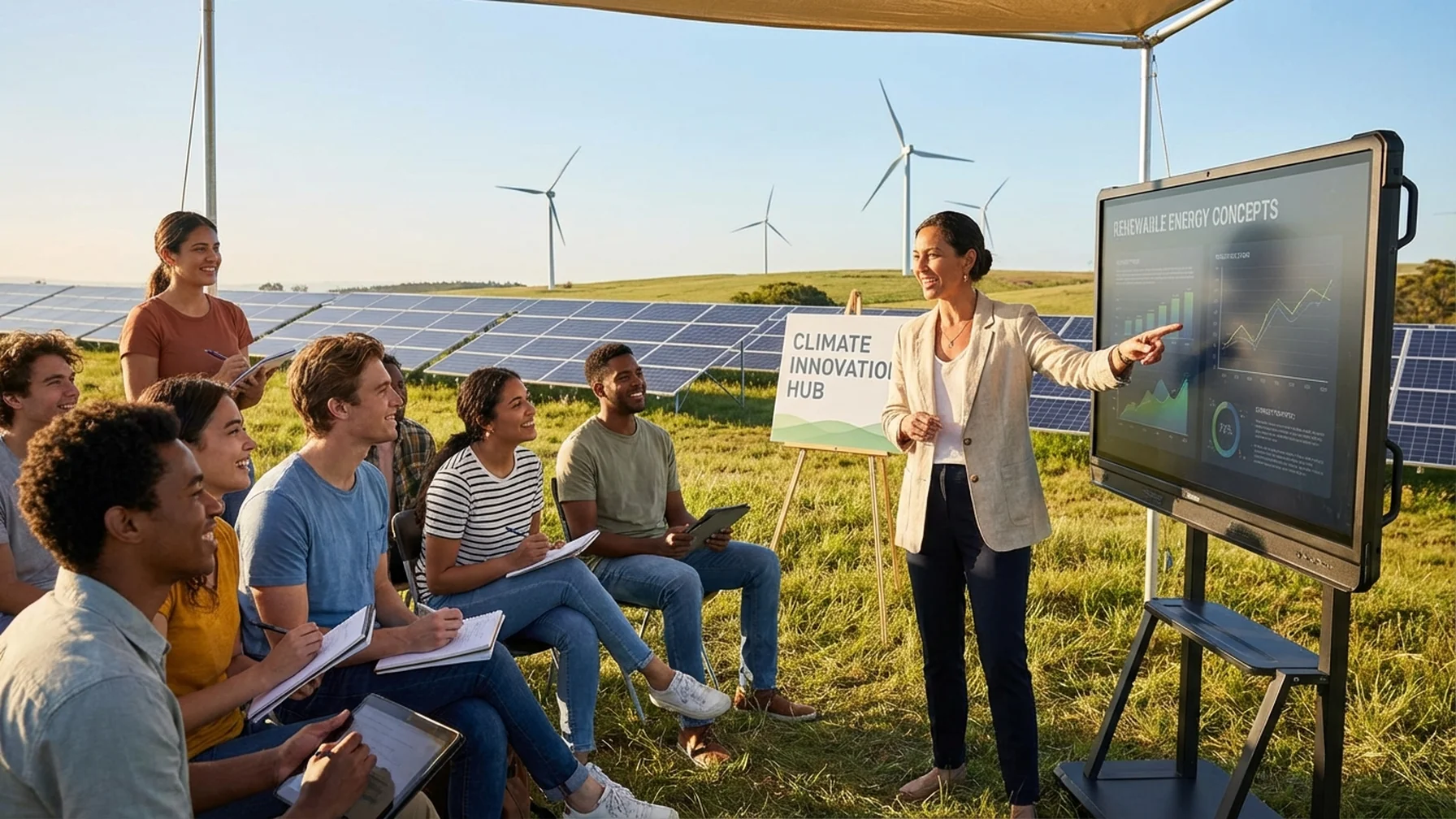
Green Construction Certification: A Pathway to Sustainable Careers
In today's eco-conscious world, green construction certification is gaining attention as a vital component of sustainable development. This certification not only demonstrates a commitment to environmental standards but also unlocks numerous opportunities in green jobs. For those passionate about renewable energy and sustainable careers, understanding green construction certification is key to entering this dynamic field.
Exploring Green Construction Certification
Green construction certification is a formal recognition indicating that a building project meets established environmental and sustainability criteria. These certifications ensure that construction processes and resulting structures are eco-friendly, resource-efficient, and sustainable throughout their lifecycle. Popular certifications include LEED (Leadership in Energy and Environmental Design) and BREEAM (Building Research Establishment Environmental Assessment Method).
Key Green Construction Certifications
Various certifications promote sustainable building practices, each with unique attributes catering to different aspects of green construction. Here's a table summarizing some of the most recognized green construction certifications:
Comparison of Popular Green Construction Certifications
| Certification Name | Certification Body | Key Features |
|---|---|---|
| LEED | U.S. Green Building Council (USGBC) | Points-based system for sustainability, energy efficiency, and indoor environmental quality. |
| BREEAM | Building Research Establishment (BRE) | Focuses on sustainability performance throughout the building lifecycle with defined standards. |
| GREEN STAR | Green Building Council Australia (GBCA) | Assessment of environmental impact for both building and interior projects. |
| Living Building Challenge | International Living Future Institute | Highest standard requiring buildings to be net-positive in energy and water and free from toxic materials. |
Understanding these certifications helps developers and builders make informed decisions that align with environmental goals, catering to diverse needs in the field of green construction.
Steps to Obtain Green Construction Certification
Securing a green construction certification involves several key steps. Below is an ordered list that outlines this process:
- Research and select the appropriate green building certification program for your project, such as LEED, BREEAM, or Living Building Challenge.
- Conduct a pre-assessment to evaluate the project's eligibility and potential strategies for meeting the certification criteria.
- Prepare the necessary documentation, including design plans, construction materials, and energy performance data, and submit your application for review.
Following these steps enables builders and developers to effectively navigate the certification process, significantly contributing to sustainability and environmental responsibility in their projects.
Pathways to a Green Career
Embarking on a green career typically begins with obtaining relevant certifications and training. There are several pathways to consider, each equipping individuals with the necessary knowledge and skills to excel in eco-friendly careers. Below is a summary of common education paths followed by steps to pursue them:
Common Education Paths for a Green Career
| Pathway | Description |
|---|---|
| Renewable Energy Certifications | Focuses on skills related to solar, wind, and other renewable energy sources. |
| Sustainability Education | Provides comprehensive understanding of sustainable practices and policies. |
| Green Skills Training Programs | Covers various green skills such as eco-friendly construction techniques. |
- Research the different certification programs and their requirements.
- Choose a pathway that aligns with your interests and career goals.
- Enroll in a program or course to gain the necessary knowledge.
- Complete the training and obtain certification.
By following these steps and choosing the right pathway, individuals can effectively prepare for a rewarding career in the green sector.
Entry-Level Green Jobs
For beginners, entry-level green jobs offer a great starting point in the industry. Positions such as solar energy technician, environmental technician, and sustainability coordinator are in demand and provide opportunities to gain hands-on experience. These roles typically require foundational knowledge in environmental science or renewable energy, which can be acquired through training programs and certifications.
Skills Needed for the Eco Industry
The green industry requires a distinct set of skills. Key competencies include knowledge of sustainable practices, technical proficiency in renewable energy systems, and an understanding of environmental regulations. Soft skills, such as problem-solving, communication, and teamwork, are also crucial as they promote collaboration and innovation within eco-focused teams.
Transitioning to a Green Career
Transitioning to a green career often involves reskilling and upskilling. For professionals from other fields, pursuing certifications in green construction or renewable energy can bridge knowledge gaps. Additionally, attending workshops and seminars can provide insights into the latest industry trends and technologies, easing the transition process.
The Future of Renewable Energy Jobs
The future of renewable energy jobs is promising as global emphasis on sustainability grows. Careers in solar and wind energy, as well as sustainable urban planning, are set to expand. As governments and organizations commit to reducing carbon footprints, the demand for skilled professionals in the green sector will likely increase, offering diverse career opportunities.
Sustainable Economy Careers
Careers in the sustainable economy encompass a wide range of roles, from environmental policy advisors to green product designers. These positions focus on integrating sustainability into economic activities, ensuring resource efficiency and minimal environmental impact. Professionals in this field play a crucial role in shaping a sustainable future.
Embrace the Green Revolution
Green construction certification is more than a credential; it is a gateway to a rewarding career in the green economy. By pursuing relevant certifications and training, individuals can equip themselves with the skills and knowledge needed to thrive in this growing industry. As the world shifts towards sustainability, now is an opportune time to embrace the green revolution and contribute to a cleaner, more sustainable future.